Generic ERP vs Shipping ERP: The MENA 3PL Dilemma
A strategic comparison of generic ERP systems like Odoo/SAP versus dedicated logistics ERPs for 3PL operators in the MENA region.
By Islam Baraka

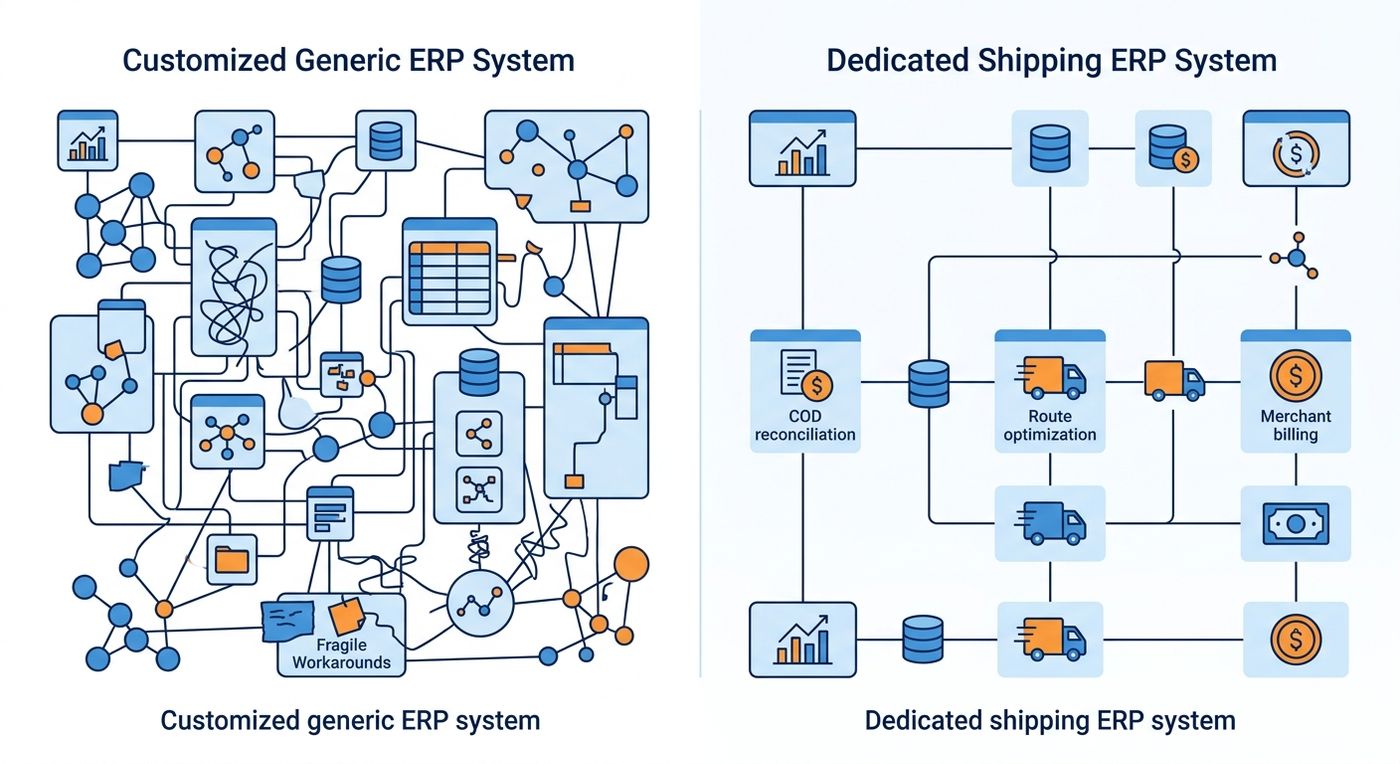


The Architectural Divide: Modular Customization vs. Out-of-the-Box Logistics Workflows
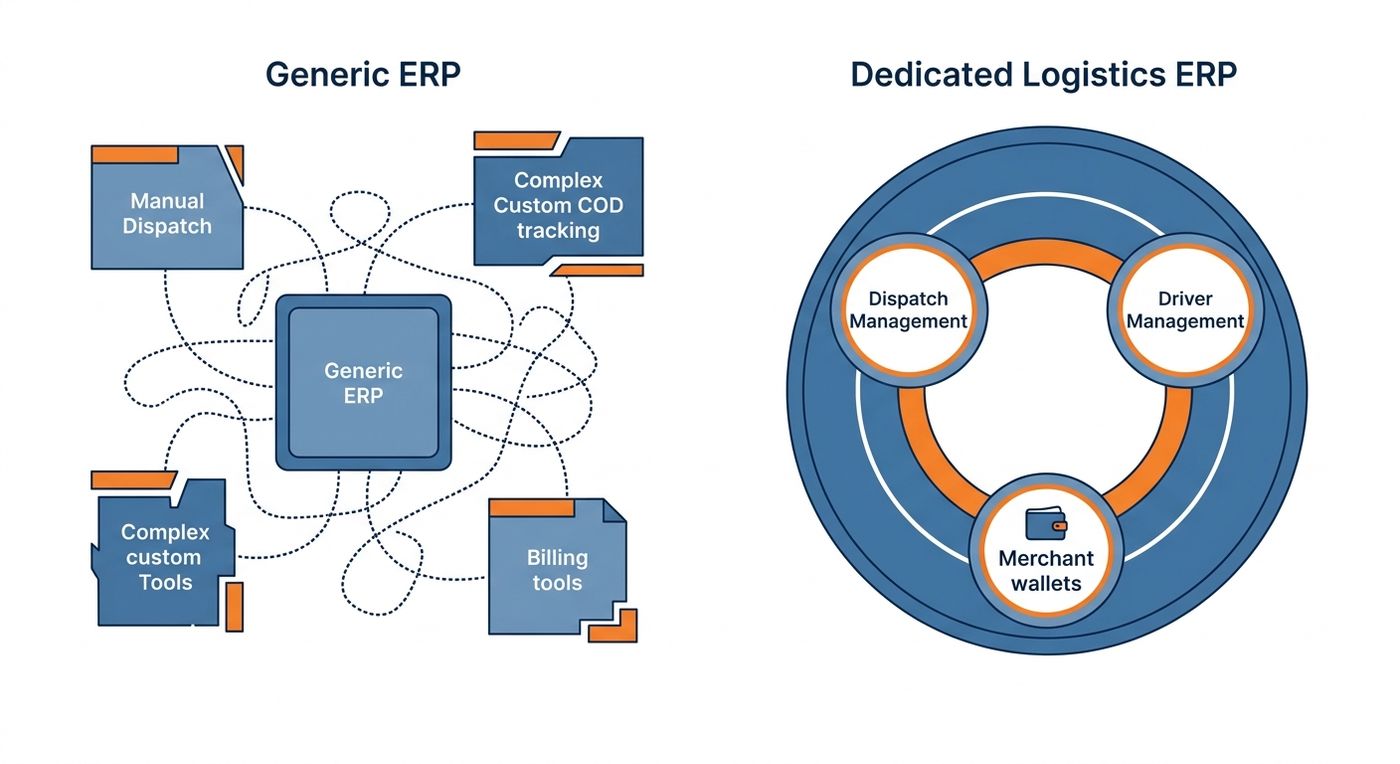
When evaluating a dedicated logistics ERP vs generic ERP, the structural difference lies in how core business workflows are handled. Generic systems like Odoo require extensive, costly customization to understand fundamental logistics concepts. When analyzing Odoo vs shipping ERP logistics, it becomes clear that general-purpose platforms are not built to handle the high-velocity demands of modern fulfillment. In contrast, Shiprex is built specifically as a 3PL logistics software GCC operators can deploy immediately. Instead of trying to force a general-purpose system to manage complex workflows, Shiprex provides built-in tools for courier and driver management, route optimization, and multi-branch operations. For shipping company owners, a comprehensive 3PL software selection guide or a detailed comparison of ERP systems for shipping companies highlights that forcing a general-purpose database to handle cash-on-delivery (COD) reconciliation and merchant wallets leads to fragile, custom-coded workarounds. Shiprex serves as an integrated shipping system for companies that need these features out-of-the-box, ensuring financial accuracy without custom scripts.
High-volume transactional processing is another major bottleneck for generalized architectures. A true multi tenant 3PL software designed for shipping utilizes logistics-first workflows to process thousands of daily waybills and bulk operations without performance degradation. When running high-frequency shipping operations on Odoo, the database often bloats because every single shipment update forces changes across non-optimized, generalized ledger tables. For regional scaling, deploying a reliable 3PL logistics management system GCC like Shiprex ensures that your operations scale smoothly. Shiprex functions as a comprehensive 3PL third-party logistics management software and 3PL warehouse and shipping management software, handling multi-branch and multi-tenant setups natively. It acts as an integrated logistics billing software ERP and shipping company accounting software Egypt providers can use to automate merchant billing, manage wallets, execute automated payouts, track driver performance, and maintain comprehensive audit trails for every transaction. This eliminates the massive overhead of manual reconciliation and ensures complete operational visibility.
Finally, the development risk of customizing a generic platform is a primary cause of project failure. When choosing the best 3PL software in Saudi Arabia or implementing enterprise logistics software KSA, companies need rapid deployment to capture market opportunities and comply with local regulations. In terms of the overall ERP system cost for shipping companies, building custom modules on generic platforms is often prohibitively expensive. When evaluating a custom shipping ERP vs Odoo, organizations face distinct trade-offs:
- Development Speed and Compliance: Shiprex provides an out-of-the-box system tailored for logistics ERP software UAE and third party logistics software Egypt, reducing deployment times from twelve months to a few weeks. It features built-in compliance with regional mandates like ZATCA in Saudi Arabia and Nafeza in Egypt, making it the best system for shipping companies and best software for logistics services companies looking to avoid custom compliance integrations.
- Maintenance and Operational Overhead: Customized generic systems require continuous developer support to maintain basic shipping features. With Shiprex, core logistics features like automated route optimization, driver/courier management, and bulk operations are maintained and updated automatically, reducing the long-term overhead of logistics management systems UAE operators often face.
- Risk Mitigation: Relying on a dedicated shipping and delivery management system Saudi Arabia and Egypt trust eliminates the high failure rates associated with custom-coded modules on generic platforms. Shiprex ensures that merchant wallets, COD reconciliation, and multi-branch logistics work seamlessly from day one, serving as a highly reliable ERP system for logistics services companies and a robust 3PL shipping company software built for growth.
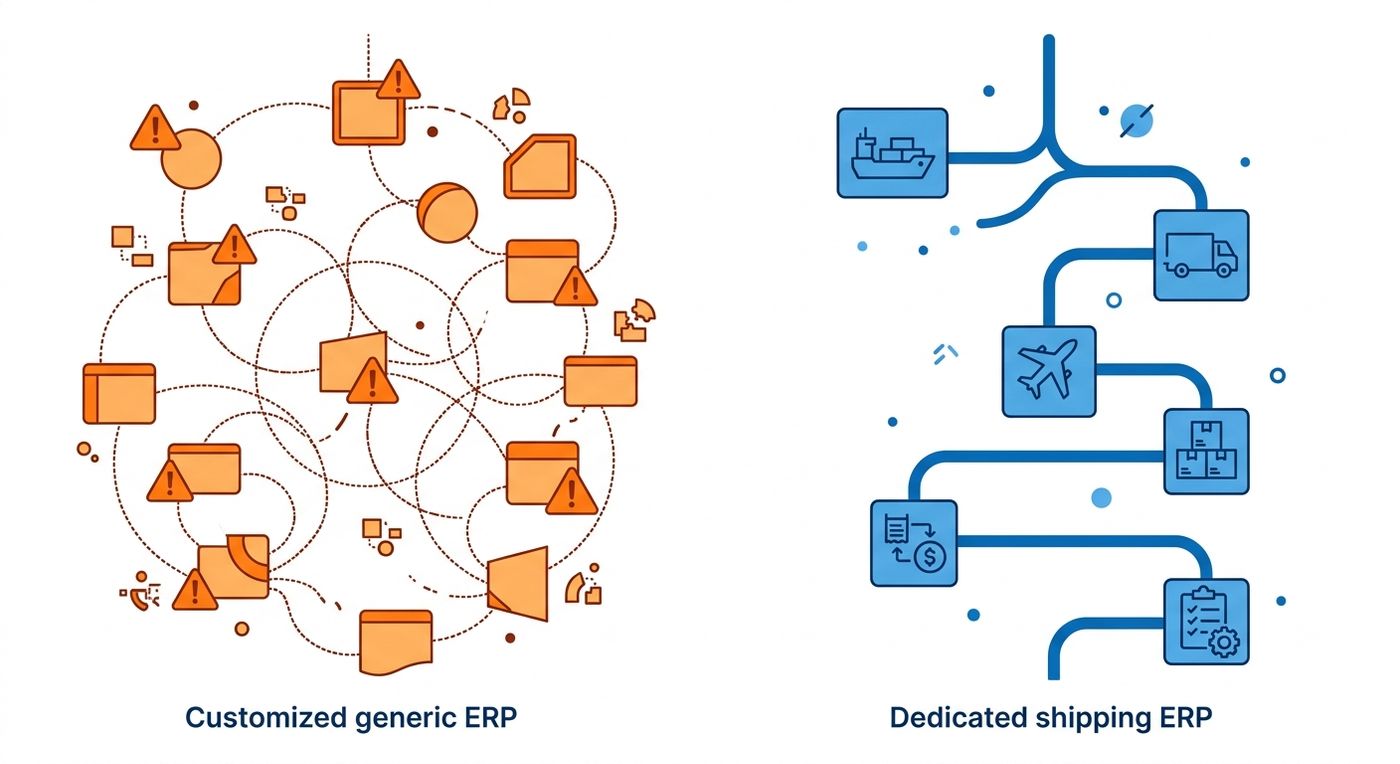


The Hidden Costs of Customization: Licensing, Consulting, and Maintenance
Evaluating the long-term total cost of ownership (TCO) is a critical step for stakeholders determining the future of their supply chain infrastructure. While a generic system might offer enticing entry-level pricing, its standard enterprise licenses rarely cover complex, multi-stop shipping workflows. When comparing a dedicated logistics ERP vs generic ERP, organizations must look beyond the initial sticker price. Generic platforms charge hefty premiums for custom add-ons to support basic dispatching. In contrast, Shiprex serves as an integrated [shipping system](https://www.shiprexnow.com) for companies, offering native multi-branch and multi-tenant operations from day one. This allows regional providers to scale across borders without buying separate software instances or paying for custom architectural overhauls.
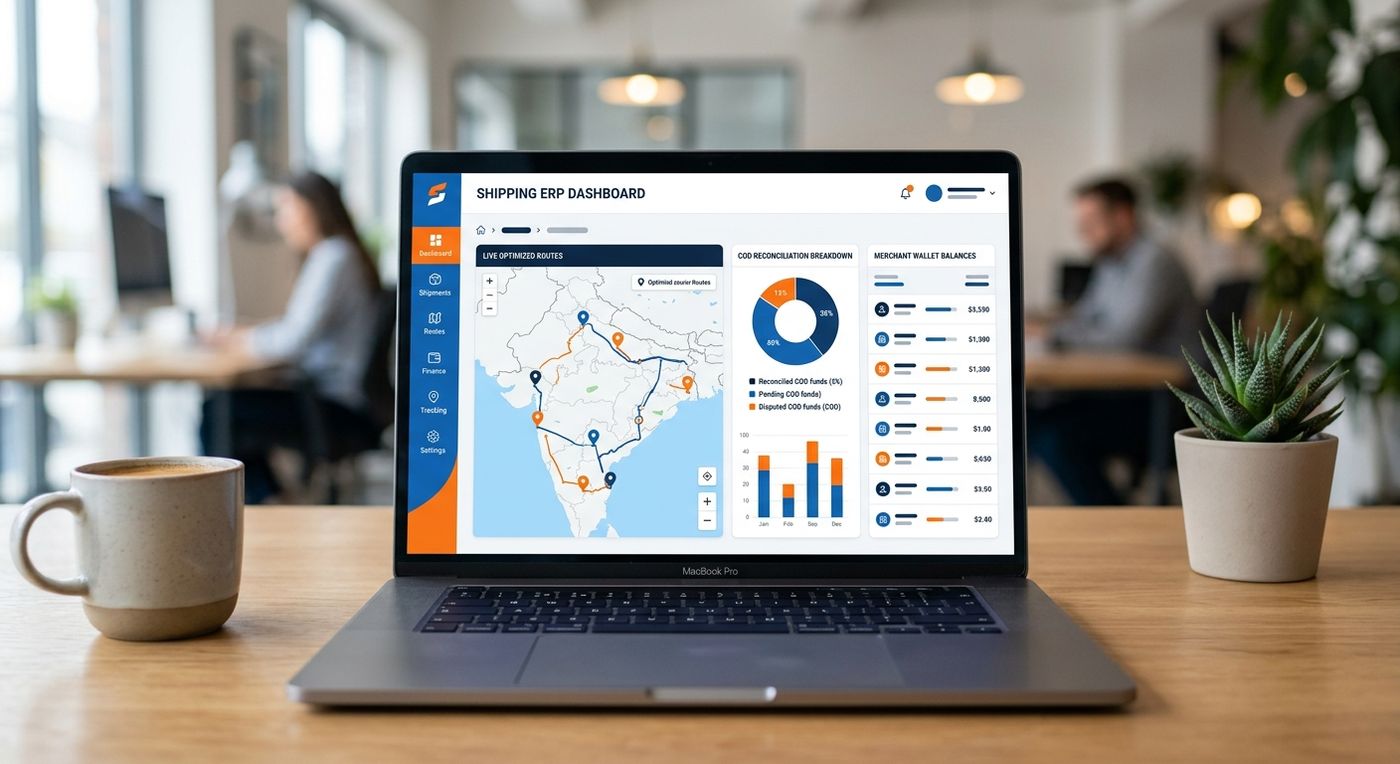
The true financial drain of adapting a general-purpose system lies in billing and cash management. A standard ERP requires extensive customization to handle the unique financial workflows of Middle Eastern logistics. By choosing a specialized logistics billing software ERP like Shiprex, companies gain access to built-in merchant wallets, automated payouts, and instant COD reconciliation. Consider a real-world scenario: a courier company processing thousands of daily cash-on-delivery orders. Instead of developers writing custom scripts to bridge the gap in a custom shipping ERP vs Odoo setup, Shiprex automates the entire flow—instantly updating merchant wallets upon delivery and generating clear audit trails for every transaction. This eliminates manual errors and protects your cash flow from the high ERP system cost for shipping companies that rely on custom-built financial bridges.
Consulting fees also escalate rapidly when trying to build a functional 3PL logistics management system GCC on a generic foundation. Generalist consultants lack deep domain knowledge of Middle Eastern regulations. For businesses operating in the Gulf, selecting the best 3PL software in Saudi Arabia or a specialized logistics ERP software UAE means compliance is guaranteed. Shiprex features native ZATCA compliance in KSA and Nafeza compliance in Egypt out of the box. This eliminates the need for expensive regional customization. Whether you are seeking a third party logistics software Egypt solution or an enterprise logistics software KSA system, having local regulatory compliance built directly into your core platform saves hundreds of consulting hours. Decision-makers utilizing a 3PL software selection guide quickly realize that native compliance is far more cost-effective than attempting to patch a generic system.
Finally, maintaining a custom codebase introduces severe long-term operational risks. When you modify a generic platform to serve as your 3PL third party management software, every system update risks breaking your custom integrations. This creates a dangerous dependency on external developers, stalling organizational growth. Conversely, Shiprex provides a modern, cloud-native multi tenant 3PL software environment. It handles high-volume bulk operations, automated driver/courier management, and intelligent route optimization seamlessly, with updates deployed automatically. In the ongoing Odoo vs shipping ERP logistics evaluation, choosing a dedicated shipping ERP like Shiprex ensures predictable operational costs. It delivers the best system for shipping companies looking to scale, freeing your leadership team to focus on expanding fleet operations rather than managing endless IT crises.
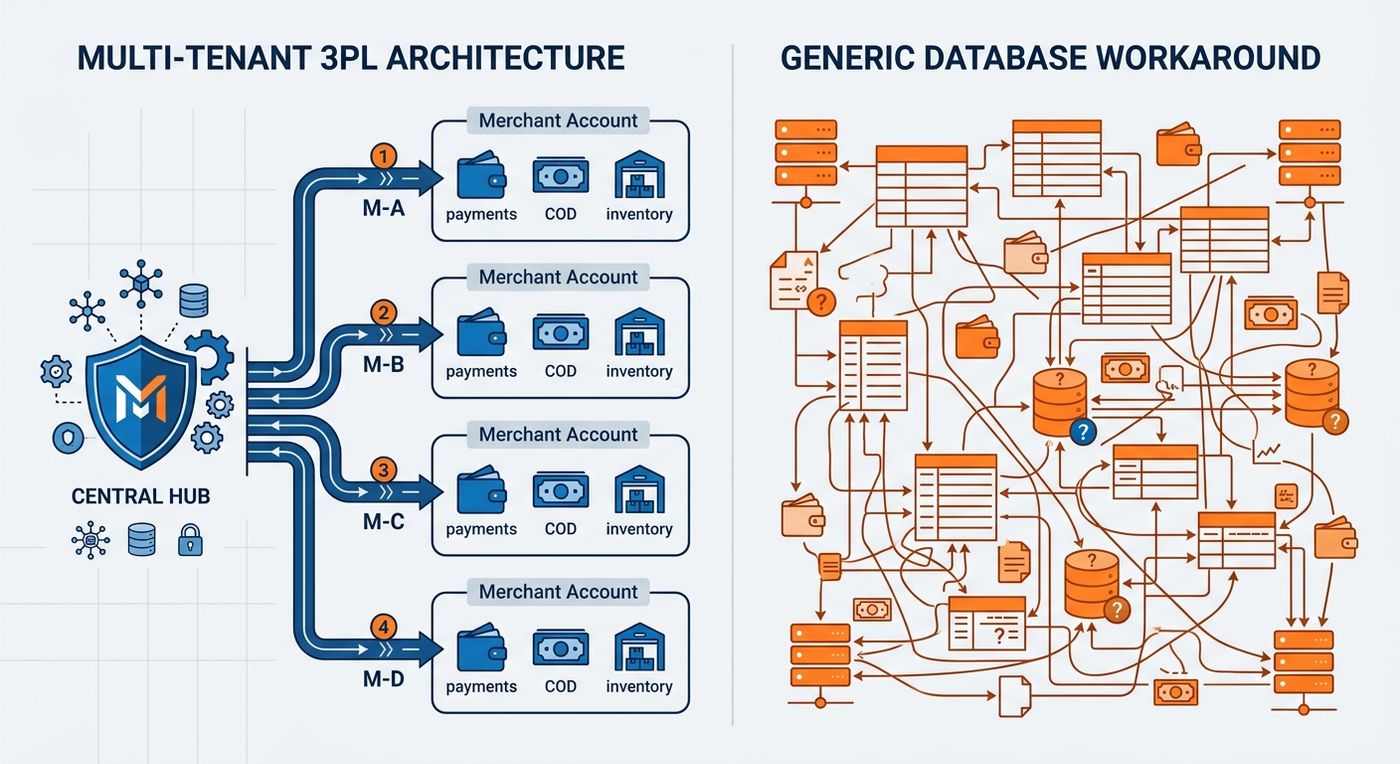

Multi-Tenant Architecture vs. Generic Workarounds: Managing Multi-Client Complexity
Managing a growing third-party logistics operation in the Middle East requires absolute control over diverse client accounts, each with distinct operational rules, cash handling requirements, and localized compliance needs. Implementing a dedicated multi tenant 3PL software like Shiprex is critical to establishing this control, ensuring total data isolation and security across all operations. When evaluating a dedicated logistics ERP vs generic ERP system, the structural differences in how multi-client environments are handled become immediately clear. Shiprex, built specifically as a 3PL logistics software GCC operators rely on, natively isolates merchant data, inventory rules, and financial balances without requiring complex, risky database partitioning.
With Shiprex, when you onboard a new merchant, they receive a secure, isolated space within your shipping company system. Through this portal, merchants can track their balances, view real-time delivery updates, and manage their cash-on-delivery (COD) cycles. For the shipping provider, billing runs executed via Shiprex's logistics billing software ERP capabilities automatically apply client-specific tariffs and service level agreements (SLAs) with zero manual intervention. This eliminates billing leakages and automates the flow of COD reconciliation and automated payouts directly to the merchant's wallet, ensuring fast, error-free financial cycles.
In contrast, attempting to force a general-purpose platform to handle these multi-client requirements introduces severe operational and technical debt. When analyzing Odoo vs shipping ERP logistics options, generic systems require extensive custom development or fragile workarounds to mimic true multi-tenancy and merchant wallet isolation. Relying on a custom shipping ERP vs Odoo workarounds often results in high maintenance overheads, system instability during updates, and inflated development budgets. As highlighted in any comprehensive 3PL software selection guide, choosing a tailored logistics ERP software UAE or an enterprise logistics software KSA ensures that multi-client architecture is baked into the core product, providing the robust framework needed to scale without system-wide disruptions. This is particularly crucial when evaluating the overall cost of ERP system for shipping companies, where hidden customization fees in generic ERPs quickly outpace the value of a dedicated solution.
Furthermore, managing regional expansion requires an integrated shipping system for companies that can handle multi-branch operations seamlessly. With Shiprex, a logistics provider can run separate branches across Riyadh, Dubai, and Cairo under a single, unified 3PL third-party logistics management software while maintaining strict compliance with local mandates like ZATCA in Saudi Arabia and Nafeza in Egypt. Operating without a unified 3PL logistics management system GCC or a specialized third party logistics software Egypt places immense operational strain on your workforce. When customer service, warehousing, and billing teams must log into multiple fragmented systems to manage orders, track driver performance, or handle localized invoicing, productivity plummets and human error increases.
Deploying the best 3PL software in Saudi Arabia consolidates these operations into a single, secure control tower. Shiprex equips your team with specialized tools like route optimization and driver/courier management to streamline delivery runs, while maintaining detailed audit trails for every transaction, wallet adjustment, and shipment status change. By bringing bulk operations, automated payouts, and regional compliance under one roof, Shiprex serves as the best system for shipping companies looking to scale profitably.
Whether you are comparing logistics management systems UAE or looking for the ultimate shipping and delivery management system Saudi Arabia, a dedicated platform eliminates the manual bottlenecks of generic software. By acting as a unified 3PL warehouse and shipping management software and functioning as an advanced shipping company accounting software Egypt relies on for financial transparency, Shiprex stands out as the best software for logistics companies in the region. In any comparison of ERP systems for shipping companies, the ability to seamlessly manage multi-client complexity makes this dedicated 3PL shipping company software the clear choice for operators aiming to onboard new clients rapidly, securely, and profitably.
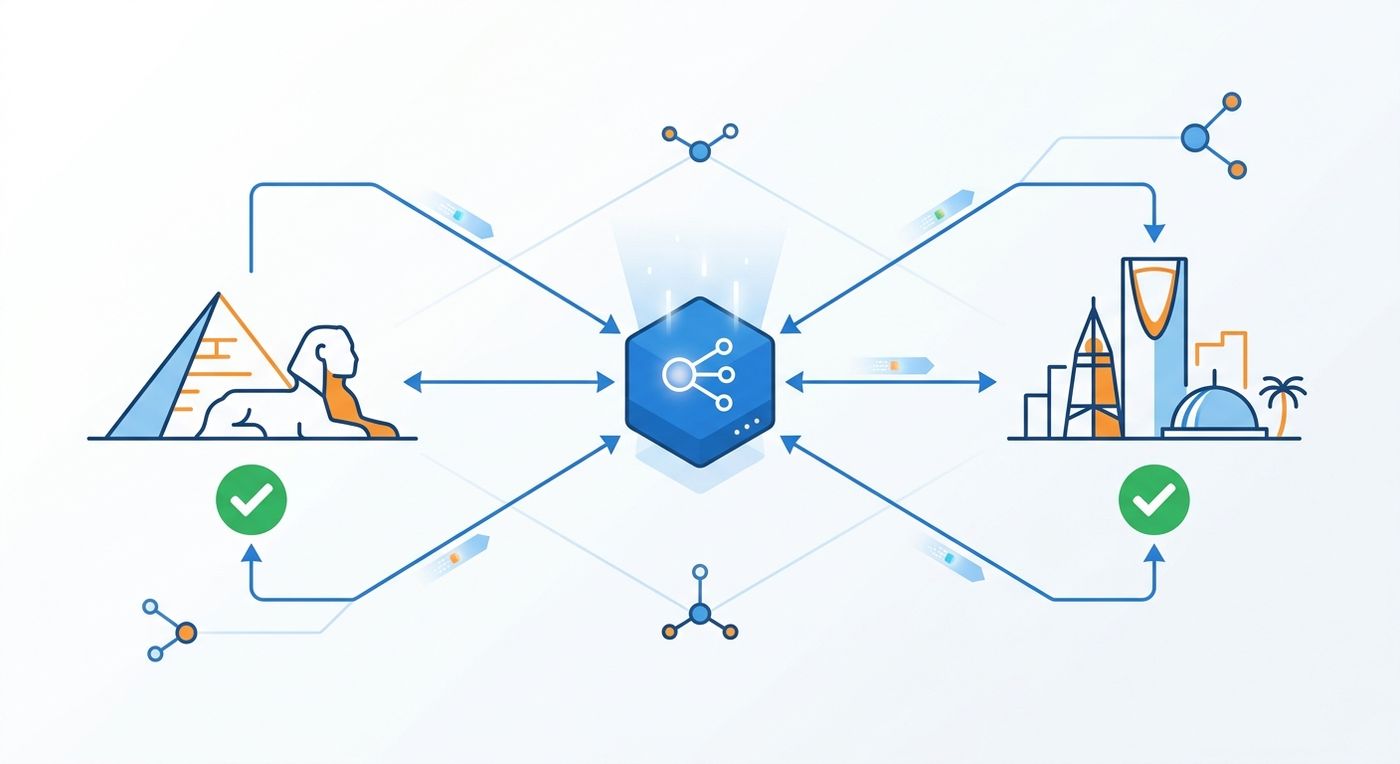


Global Compliance vs. Local Reality: Navigating Middle East Regulatory Frameworks and Local Integrations
When evaluating a dedicated logistics ERP vs generic ERP, Middle Eastern 3PL providers face a critical operational crossroads. Generic enterprise resource planning systems require extensive, high-risk customization to handle regional mandates. In contrast, Shiprex, a specialized logistics ERP software UAE, is built from the ground up to natively handle ZATCA e-invoicing compliance in Saudi Arabia and Nafeza compliance in Egypt. Attempting to force a general platform to comply with these fast-evolving regulatory frameworks leads to operational friction, compliance penalties, and delayed shipments. Organizations making a comparison of ERP systems for shipping companies or comparing custom shipping ERP vs Odoo quickly discover that generic systems lack the deep, built-in regulatory engines required for regional logistics. As an ERP system for logistics companies, Shiprex manages multi-branch & multi-tenant operations seamlessly across borders, ensuring that each country's specific compliance rules are met without disruptive workarounds, making it a highly effective 3PL logistics software GCC.
Operating efficiently across the region requires seamless, real-time connectivity across the supply chain. Utilizing the best 3PL software in Saudi Arabia, such as Shiprex, guarantees efficient logistics execution. For growing providers, deploying a multi tenant 3PL software and a robust 3PL logistics management system GCC ensures that cross-department coordination and system-wide efficiency are maintained as transaction volumes scale. This specialized enterprise logistics software KSA automates the entire dispatch-to-delivery lifecycle. By using Shiprex's advanced route optimization and comprehensive driver/courier management, dispatchers can plan efficient routes and monitor courier progress in real-time. Operations teams can execute bulk operations to assign hundreds of shipments to drivers instantly, while the integrated shipping system for companies maintains complete transparency. This ensures that your logistics billing software ERP automatically calculates accurate, multi-currency tariffs and regional surcharges, reinforcing modern logistics management systems UAE and making it the premier shipping and delivery management system Saudi Arabia and the wider region rely on.
According to our comprehensive 3PL software selection guide, generic platforms consistently struggle with two of the region's most critical operational hurdles: local delivery execution and cash-on-delivery (COD) reconciliation. While global systems expect structured postal codes, Middle Eastern logistics rely heavily on descriptive addresses and GPS coordinates. As a specialized third party logistics software Egypt and GCC-focused platform, Shiprex resolves this by enabling drivers to navigate directly via optimized routing. Furthermore, when comparing Odoo vs shipping ERP logistics, specialized systems feature automated, bulletproof COD reconciliation workflows. Shiprex tracks cash from the courier's pouch back to the merchant's digital wallet, preventing revenue leakage. With automated payouts and clear audit trails, this 3PL shipping company software ensures total financial transparency. For operators evaluating the cost of ERP system for shipping companies, investing in a dedicated shipping company system like Shiprex—which functions as the best system for shipping companies, the best software for logistics companies, and a complete 3PL third-party logistics management software—eliminates manual errors. Whether you need robust shipping company accounting software Egypt or a comprehensive 3PL warehouse and shipping management software, Shiprex secures your cash flow from the first mile to the final payout.

Dedicated Logistics ERP vs Generic ERP: Executive Decision Matrix
When evaluating the foundational technology to power a growing 3PL, stakeholders must weigh immediate setup costs against long-term operational scalability. The choice between a dedicated [logistics ERP](https://www.shiprexnow.com) vs generic ERP—often framed as Odoo vs shipping ERP logistics configurations—is a pivotal strategic crossroads for leadership. While generic platforms require extensive customization, implementing a specialized 3PL logistics management system GCC operators trust ensures that your dispatch, billing, and fleet operations are unified natively. Shiprex serves as an integrated shipping system for companies by providing built-in, multi-branch & multi-tenant operations and advanced driver/courier management out of the box, eliminating the operational silos that generic suites create.
Generic business suites inevitably fail at predictable growth milestones. When your operation scales past 1,000 daily shipments, the structural limitations of a custom shipping ERP vs Odoo become glaring. At this volume, manual dispatching bottlenecks your entire fleet. Shiprex resolves this with automated route optimization and bulk operations, planning efficient driver paths and dispatching hundreds of shipments in seconds. Furthermore, generic platforms struggle with regional financial workflows. Shiprex integrates robust logistics billing software ERP features directly with merchant wallets, automated payouts, and real-time COD reconciliation. This ensures that every transaction is logged in secure audit trails, while native ZATCA and Nafeza compliance features make it the premier enterprise logistics software KSA businesses rely on, and the preferred [logistics ERP software UAE](https://www.shiprexnow.com/blog/scale-uae-3pl-cross-emirate-multi-branch-erp) managers use to stay compliant.
To successfully transition from legacy spreadsheets to a modern shipping and delivery management system Saudi Arabia and the wider region can support, decision-makers must execute a structured [3PL software selection guide](https://www.shiprexnow.com/blog/best-shipping-erp-logistics-business-guide):
- Audit Current Operational Bottlenecks: Document exactly where manual entries delay driver dispatch, billing, or COD tracking. Implementing a dedicated 3PL third-party logistics management software solves this by unifying driver/courier management and financial workflows.
- Define Multi-Tenant and Regional Requirements: Ensure the new platform natively supports [multi tenant 3PL software](https://www.shiprexnow.com/blog/multi-tenant-shipping-software-3pl-scale) capabilities to isolate merchant data securely, alongside localized compliance features like ZATCA.
- Select a Specialized Solution: Transition to the [best 3PL software in Saudi Arabia](https://www.shiprexnow.com/blog/how-to-manage-multi-branch-saudi-3pl-operations) or a specialized third party logistics software Egypt suite like Shiprex, designed specifically to handle bulk operations, route optimization, and real-time merchant wallet updates.
- Execute a Phased Migration: Establish a clear roadmap to migrate to this best system for shipping companies, moving from legacy tools to automated dispatching, multi-branch control, and secure audit trails without interrupting active delivery operations.