How to Choose the Best Shipping ERP for Your Logistics Business
Starting a new shipping company requires robust systems. Learn how a modern shipping ERP manages operations, COD reconciliation, and driver payouts to scale your logistics business.
By Islam Baraka
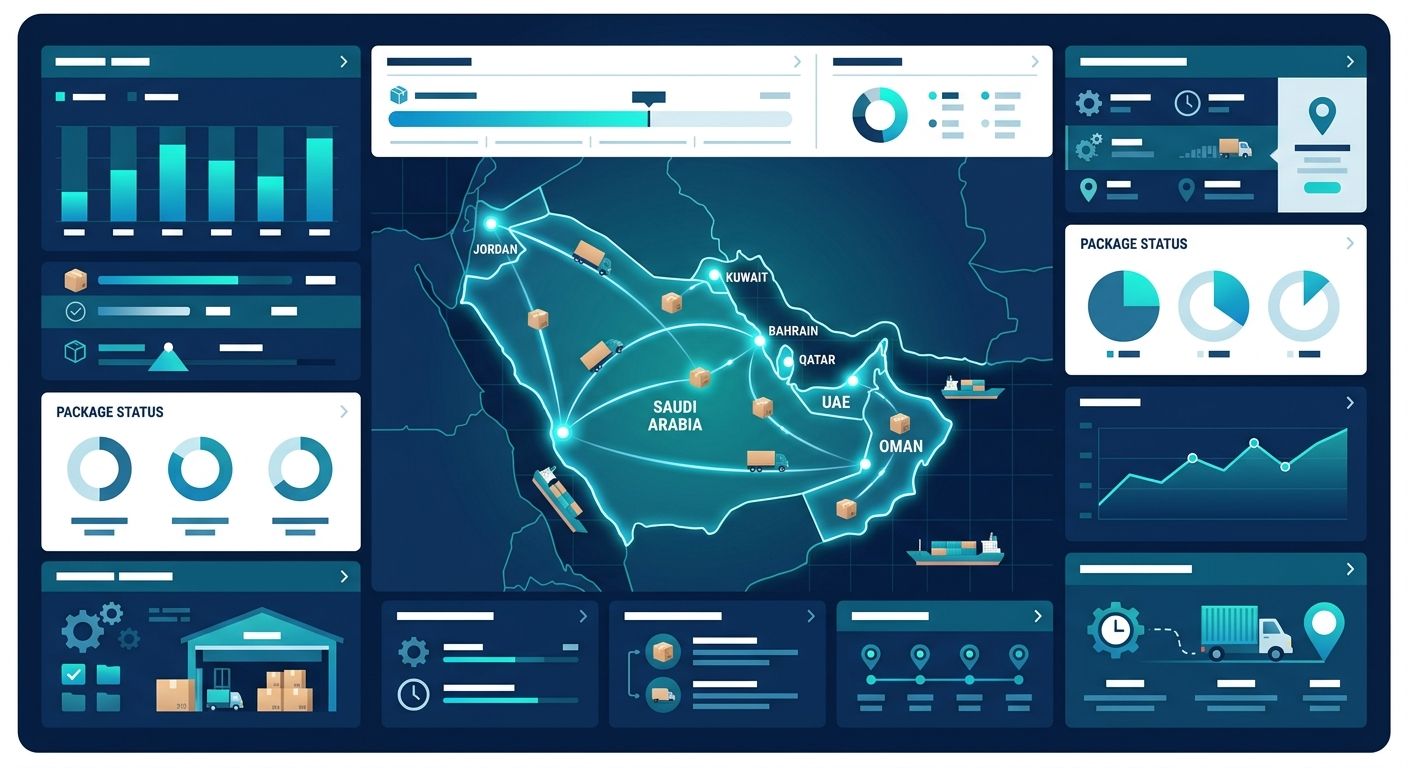
Understanding the Role of a Modern Shipping ERP in Scale and Growth
As logistics businesses scale across borders, particularly in complex corridors like GCC Shipping, traditional manual processes and fragmented tools quickly reach their breaking points. Managing international customs, localized compliance, and multiple regional carriers through spreadsheets leads to communication gaps, costly errors, and lost revenue. To sustain growth, organizations must transition to a centralized shipping ERP that serves as a single source of truth, aligning stakeholders, managers, and ground teams under one unified operational framework.
The best shipping ERP coordinates complex cross-departmental tasks by seamlessly connecting warehouse activities to last-mile delivery. Whether you are deploying logistics management software KSA to optimize regional distribution, or utilizing 3PL shipping software Egypt to manage outsourced fulfillment, synchronization is key. A modern ERP automates workflows across the entire delivery chain:
- Warehouse Operations: Direct integration ensures picking and packing align with real-time carrier schedules.
- Fleet & Courier Management: Drivers receive optimized routes and dispatch updates through a comprehensive shipping system UAE.
- Financial Reconciliation: High-volume cash transactions are secured using built-in COD reconciliation software and a dedicated merchant wallet ERP logistics module.
Ultimately, the organizational impact of transitioning to a centralized system is profound. By automating repetitive tasks, teams experience a major boost in productivity, while decision-makers gain real-time visibility into operational costs. This structured efficiency reduces overhead, eliminates redundant data entry, and provides the scalable foundation required to confidently expand into new regional markets.
Streamlining Order Management and Last-Mile Dispatching
Managing the final leg of delivery requires seamless coordination between your back-office and ground fleet. For growing logistics providers, relying on manual dispatching is a recipe for inefficiency. By implementing a modern shipping ERP, organizations can automate the complex variables of last-mile logistics. For instance, using advanced logistics management software KSA businesses can instantly optimize delivery routes based on real-time traffic, package dimensions, and driver proximity. This automation not only slashes fuel costs but also streamlines driver payouts by automatically calculating commissions and mileage, ensuring transparency across the entire fleet.
Furthermore, cross-department coordination relies heavily on data visibility. Implementing a robust shipping system UAE companies trust allows stakeholders to access real-time tracking, reducing customer service inquiries and improving delivery success rates. When automated dispatching is paired with integrated financial features—such as a COD reconciliation software and a merchant wallet ERP logistics module—the benefits multiply. Cash collected at the doorstep is instantly logged and reconciled against the merchant's digital wallet, removing the administrative bottleneck that often delays payouts and strains client relationships.
Ultimately, reducing operational friction requires eliminating manual data entry. Integrating AI in logistics helps organizations automate order triaging and address validation, which significantly reduces human error and speeds up order cycle times. When evaluating options to find the best shipping ERP, look for platforms that act as comprehensive 3PL shipping software Egypt businesses rely on to handle high-volume distributions. By automating these core workflows, your organization can scale operations smoothly, turning last-mile delivery from a logistical headache into a competitive advantage.
Mastering Cash-on-Delivery with COD Reconciliation Software
In the Middle East logistics landscape, Cash-on-Delivery (COD) remains a dominant payment method. However, managing high volumes of physical cash introduces significant operational risks, primarily financial leakage and human error. For growing logistics companies operating across borders, manually tracking cash from the driver's pocket to the corporate bank account is a recipe for discrepancy. Stakeholders must recognize that safeguarding margins requires a robust shipping ERP that transitions the business from manual tracking to automated financial control. Whether you are deploying a shipping system UAE operators trust or scaling up with 3PL shipping software Egypt e-commerce brands rely on, automating this pipeline is critical for organizational efficiency.
This is where specialized COD reconciliation software becomes indispensable. Instead of relying on manual spreadsheets, an advanced ERP automatically cross-references courier delivery statuses with actual cash collected. It bridges the gap between your finance department and your field operations by matching driver collections directly with merchant accounts in real time. By implementing a unified best shipping ERP solution, your entire organization gains real-time visibility. This streamlines cross-department coordination, reduces the time spent on manual audits, and ensures that your finance team can close the books daily with absolute confidence, which is vital when operating with logistics management software KSA compliance standards.
To further streamline partner relationships, modern logistics platforms introduce the merchant wallet ERP logistics feature. This digital ledger acts as a centralized hub to:
- Manage merchant prepayments and shipping fees automatically.
- Process cash-on-delivery payouts and refunds seamlessly.
- Enable instant payouts to build trust and retain high-value merchants.
By offering transparent, self-service wallets, your logistics business minimizes administrative overhead, eliminates back-and-forth email disputes, and establishes a scalable foundation for long-term growth.
Ensuring Compliance and Accountability with Audit Trails
Protecting sensitive financial and operational data is a paramount concern for modern logistics enterprises. When evaluating a high-caliber shipping ERP, stakeholders must prioritize audit trails—immutable digital ledgers that record every action, transaction, and system modification. A robust best shipping ERP acts as an organization's single source of truth, ensuring that no entry can be altered or deleted without leaving a traceable path. This level of oversight is particularly critical for managing cash-on-delivery (COD) workflows. By utilizing integrated COD reconciliation software alongside a dedicated merchant wallet ERP logistics framework, your finance department can automatically track cash handovers from couriers to treasury, safeguarding your cash flow against manual discrepancies and operational leakage.
Beyond internal accountability, Middle East compliance demands strict adherence to evolving regional standards. For organizations operating in the Gulf, deploying a localized logistics management software KSA ensures seamless alignment with the Zakat, Tax and Customs Authority (ZATCA) Phase 2 e-invoicing mandates in Saudi Arabia. Similarly, dynamic operations in neighboring hubs require a compliant shipping system UAE or a scalable 3PL shipping software Egypt to handle complex VAT computations, customs clearance documentation, and localized tax reporting. Implementing a system that automatically updates to reflect these regional regulations protects your company from costly non-compliance penalties and strengthens trust with government authorities.
To further fortify your shipping organization against internal fraud, the ERP must provide granular, role-based user access levels. Limiting sensitive permissions ensures that employees only access the tools necessary for their specific roles, preventing unauthorized changes to billing rates, courier commissions, or shipment statuses. Strategic system-wide security is achieved through:
- Role-Based Access Control (RBAC): Restricting high-impact administrative actions—such as modifying financial records or initiating merchant payouts—to senior management.
- Real-Time Activity Logging: Automatically capturing the exact time, user ID, and IP address for every operational update, making external audits stress-free.
- Segregation of Duties: Structuring workflows so that the team member who registers incoming cash is different from the one who reconciles it, drastically reducing the risk of internal collusion.
Key Criteria for Selecting the Best Shipping ERP for Your Company
Selecting the best shipping ERP for your logistics organization requires a structured, multi-departmental evaluation process. To ensure long-term viability, stakeholders should follow a three-step framework:
- Scalability Assessment: Analyze whether the platform can handle sudden spikes in order volumes during peak seasons without performance degradation. A robust `shipping ERP` must support your growth from hundreds to tens of thousands of daily shipments.
- API Integration Capabilities: Evaluate how easily the software connects with major e-commerce platforms, local customs systems, and third-party carriers. For companies operating as a `3PL shipping software Egypt` provider or expanding regionally, seamless API connectivity is non-negotiable.
- Support Infrastructure: Verify the vendor's service level agreements (SLAs). Reliable, localized support ensures that technical disruptions do not halt your physical dispatch operations.
When deciding on infrastructure, organizations must weigh modern cloud-based SaaS against legacy on-premise systems. Legacy infrastructure demands significant upfront capital expenditure, dedicated IT teams for maintenance, and prolonged deployment cycles. In contrast, cloud SaaS platforms offer rapid deployment, automatic security updates, and a lower total cost of ownership. For modern enterprises, choosing a cloud-based `shipping system UAE` or Saudi Arabia model ensures that advanced features like a centralized `merchant wallet ERP logistics` module and automated `COD reconciliation software` are always up-to-date, eliminating manual financial auditing errors across your entire network.
This is where Shiprex stands out as a future-proof partner tailored specifically for the MENA region. While general ERPs fail to address local logistics nuances, Shiprex is designed to meet the complex demands of the regional market, positioning itself as the premier `logistics management software KSA` and Egypt have to offer. By unifying operations, finance, and driver management into a single intuitive platform, Shiprex empowers your business to scale confidently, maintain compliance with regional tax regulations, and maximize organizational efficiency.