Automated Escrow and Negative-Balance Thresholds: Securing Vendor Wallets Against Operational Cash Leaks
Manual merchant payout schedules create heavy administrative bottlenecks and expose logistics firms to credit default risks. Discover how automated self-service vendor wallets, customizable withdrawal frequency caps, and real-time suspension thresholds eliminate financial leakage safely.
By Islam Baraka
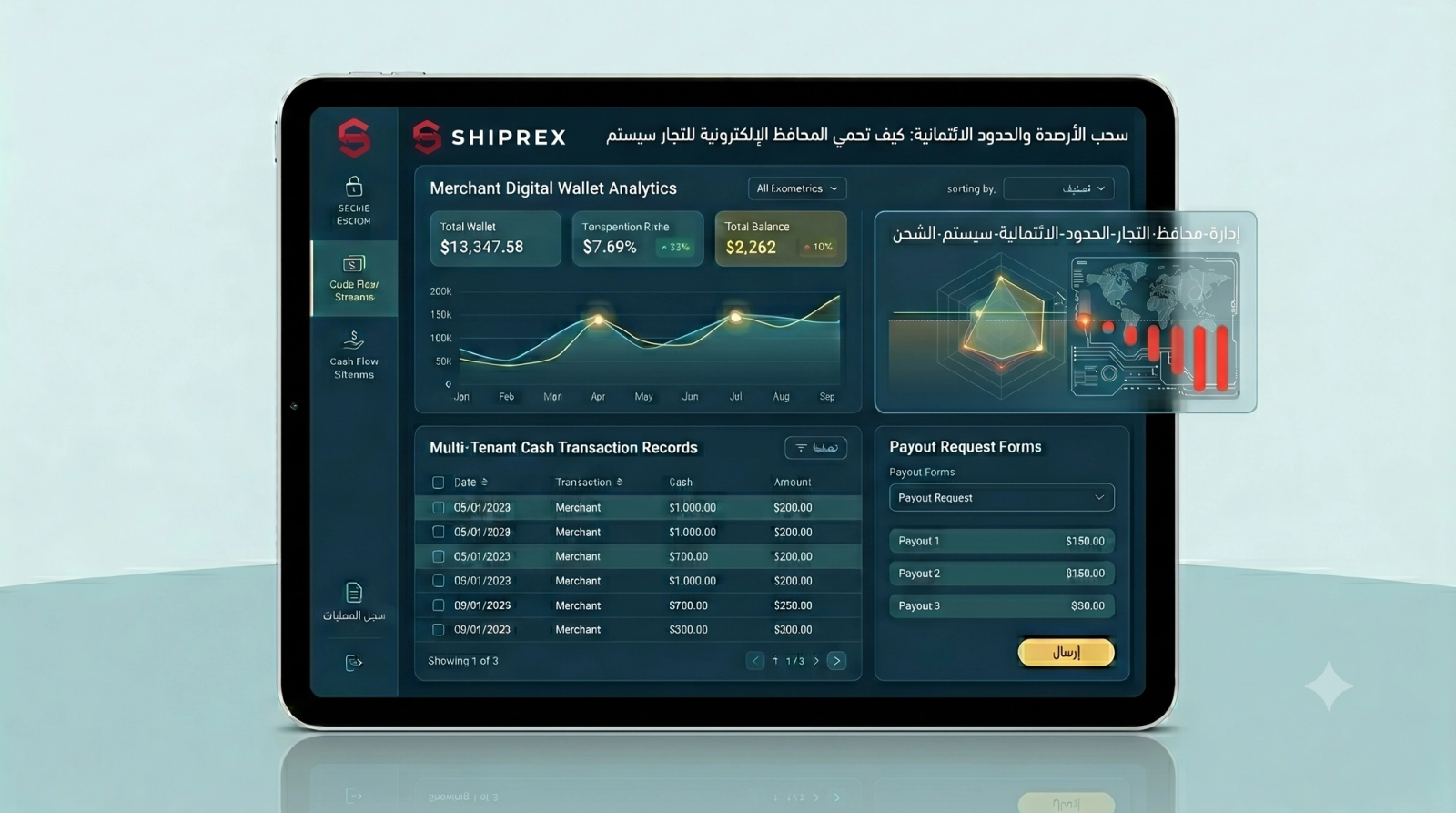
In multi-tenant delivery and fulfillment systems, your company isn't just moving physical freight—you are effectively operating as a specialized financial escrow clearinghouse.
When your drivers successfully collect Cash on Delivery (COD) funds at the consumer's doorstep, those funds enter your central bank accounts. Managing when, how, and under what conditions those funds are disbursed back to your registered merchants is a critical operational workflow.
If your platform manages these financial cycles using manual administrative checks or batch file processing, you expose your operation to two distinct failure points:
- Administrative Burnout: Your internal accounting staff wastes hours validating payout requests via email, text message, or chat channels.
- Credit Exposure Risk: Merchants can pull down their collected cash values while simultaneously accumulating significant negative shipping fee balances on failed or returned deliveries, leaving your firm with uncollectible debt.
To scale smoothly without losing financial oversight, shipping enterprise resource planning (ERP) platforms must enforce self-service vendor wallets protected by automated runtime suspension rules.
The Danger of Unrestricted Vendor Credit
Most standard logistics applications allow merchants to access their collected funds freely as long as their total account balance looks positive. This is a severe calculation mistake.
If an e-commerce vendor has 500 orders currently on route or marked as customer returns, your business is actively paying for vehicle fuel and driver commissions to process those returns. If that merchant completely empties their digital wallet before those return fees are processed and invoiced, your business has essentially extended an uncollateralized loan.
If the merchant goes out of business or vanishes, your company absorbs the total operational loss.
The Architecture of Automated Wallet Guardrails
Advanced logistics financial back-offices manage these B2B balance risks by embedding self-service interfaces with automated system-wide constraints across the transaction pipeline:
1. Self-Service Withdrawal Frequency Control
Instead of manual wire management, merchants manage payouts directly through their localized portals. However, to maintain absolute corporate liquidity, management can enforce strict parameters per customer account:
- Minimum/Maximum Thresholds: Setting hard limits on individual cash extractions to keep processing fees predictable.
- Withdrawal Caps: Restricting payout requests to structured frequencies (e.g., once every Tuesday, or bi-weekly intervals) to ensure bank settlement workflows remain orderly.
2. The Negative-Balance Suspension Engine
To mitigate credit default risk, the core database engine constantly updates a vendor's total liability score. If a merchant's accumulated shipping fees on failed packages cross a specific negative boundary, the platform triggers a systemic shutdown hook:
$$\text{Current Net Wallet Balance} \le \text{Configured Negative Threshold Override}$$
The exact millisecond this validation expression evaluates to true, the platform activates an automated suspension script. The system blocks the merchant from generating new shipping labels, creating bulk Excel imports, or booking pickup requests.
This immediate lock restricts your financial exposure to a fixed, manageable volume, protecting your cash cycles from expanding debt lines.
3. Immutable Transaction Ledger Routing
Every single wallet mutation—whether it is a doorstep cash collection, a fee deduction for a terminated order, or a self-service withdrawal transfer—is routed directly through the platform's native General Ledger.
The system records the update inside an unalterable transaction tracking table. This logs the banking route, matches the exact currency line of the origin branch, and generates detailed cash statements automatically, ensuring your system remains audit-ready and clear of hidden leaks.
Securing Cash Cycles for Long-Term Scale
Transitioning from manual payout management to automated wallet frameworks shifts your financial team away from tedious administrative bookkeeping. Accountants move from processing individual payment wires to supervising systemic risk boundaries and reviewing branch liquidity metrics.
By grounding your merchant balances in secure self-service modules and automated threshold blocks, your shipping business can onboard thousands of active vendors safely—protecting your corporate profit margins and driving robust, cash-secure operational growth.